



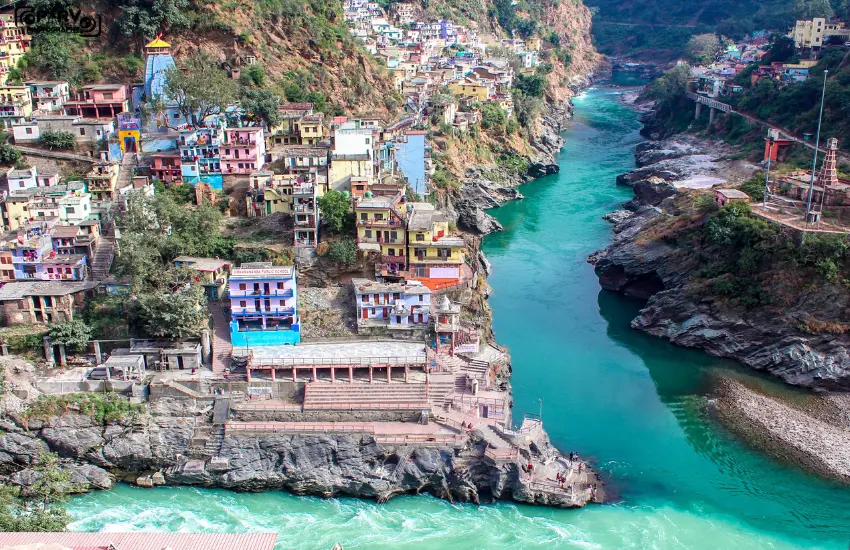
At the heart of Prayagraj lies one of India’s most spiritually significant destinations - the Triveni Sangam. This sacred meeting point is traditionally believed to be the confluence of the visible Ganga and Yamuna rivers with the mythical or invisible Saraswati. For generations, pilgrims have travelled to the Sangam Ghat in Prayagraj to take a holy dip, perform rituals, offer prayers, and experience the peaceful atmosphere of the riverbanks.
A visit to the Triveni Sangam Ghat in Prayagraj is not limited to religious travellers. The boat journey, wide river views, historic surroundings, fairs, temples, and cultural traditions make it equally meaningful for families, photographers, heritage enthusiasts, and first-time visitors to Uttar Pradesh.
This guide explains the spiritual significance of Prayagraj Sangam, the rivers associated with it, the best season to visit, activities to experience, nearby attractions, and how to plan a comfortable Prayagraj Sangam tour from Bangalore.
What Is Triveni Sangam?
The word Triveni refers to the union of three streams. At Prayagraj Triveni Sangam, the Ganga and Yamuna meet, while the Saraswati is traditionally believed to join them underground or invisibly. The meeting point has attracted pilgrims since ancient times and remains the spiritual centre of Prayagraj.
Visitors often notice a visible difference in the colour and flow of the river waters near the confluence. Uttar Pradesh Tourism notes that the rivers appear in different shades and that their meeting point can be distinguished from the water.
Small boats carry visitors from the riverbank towards the central confluence. Priests may be seen on temporary platforms assisting devotees with prayers, offerings, and ritual bathing. Boats are commonly hired from the ghat near Prayagraj Fort.
The Three Triveni Sangam Rivers
The Triveni Sangam rivers are traditionally identified as:
Ganga
The Ganga is one of the most sacred rivers in Hindu tradition. Devotees regard bathing in its waters as an act of purification and prayer.
Yamuna
The Yamuna is the second visible river at the confluence. Its flow and colour can often be distinguished from the Ganga near the meeting point.
Saraswati
The Saraswati is described in the Sangam tradition as an invisible or mythical river joining the Ganga and Yamuna. Although it is not visible at the site, its spiritual presence gives the confluence its identity as a Triveni rather than a meeting of only two rivers.
Together, these rivers make Sangam Prayagraj one of the most revered places for ritual bathing and religious gatherings.
Why Is Prayagraj Sangam Ghat Important?
For Hindu devotees, a dip at the Prayagraj Sangam Ghat is considered a deeply sacred act. The district administration describes bathing at the Sangam as one of the holiest pilgrimage experiences for believers.
The site becomes especially important during:
Magh Mela
Kumbh Mela
Maha Kumbh
Makar Sankranti
Mauni Amavasya
Basant Panchami
Magh Purnima
The Sangam banks host major religious fairs such as Magh Mela, Kumbh, and Maha Kumbh, drawing pilgrims from across India and abroad.
Even outside festival periods, the ghat has a calm and devotional atmosphere. Early mornings are especially beautiful, with boats moving quietly across the water, devotees performing prayers, and soft light reflecting on the rivers.
Best Time to Visit Triveni Sangam Prayagraj
For most travellers, the best time to visit Triveni Sangam Prayagraj is between October and March. The weather is generally more comfortable for boat rides, walking, temple visits, and outdoor sightseeing during this period.
October to November
The weather becomes more pleasant after the monsoon. This is a good period for sightseeing with relatively comfortable mornings and evenings.
December to February
Winter is popular for pilgrimage and city tours. Mornings may be cold and misty, so travellers should carry warm clothing. The Magh Mela period can attract large crowds.
March
March can still be suitable for sightseeing, especially in the early morning, before temperatures begin to rise.
Summer
April to June can be very hot. Travellers visiting during this period should plan river activities early in the morning and carry sufficient drinking water.
Monsoon
The rivers may have stronger currents and changing water levels during the rainy season. Boat services can depend on weather and local safety conditions, so visitors should follow instructions from authorities and boat operators.
Best Time of Day to Visit Sangam Ghat
Early morning is usually the most rewarding time to visit Triveni Ghat Prayagraj.
At this time, travellers can enjoy:
Cooler weather
Softer natural light
A peaceful boat journey
Morning prayers and rituals
Fewer crowds on ordinary days
Better photography conditions
Sunrise visits are especially popular, but travellers should confirm boat availability and local conditions on the day of travel.
Things to Do at Triveni Sangam Ghat
Take a Boat Ride to the Confluence
A boat ride is one of the best ways to experience the Prayagraj Triveni Sangam. Boats take pilgrims and visitors from the bank towards the meeting point of the rivers.
Discuss the fare, duration, seating capacity, and return point before boarding. During crowded festivals, prices and waiting times may differ from regular days.
Take a Holy Dip
Many devotees visit the Sangam Ghat specifically to take a ritual bath. Those entering the water should remain within designated shallow or supervised areas and follow local safety instructions.
Senior citizens, children, and non-swimmers should take extra care and use life jackets where available.
Perform Puja and Religious Rituals
Priests at the confluence assist devotees with rituals including prayers, offerings, remembrance ceremonies, and traditional bathing rites.
Agree on the type of ritual and any associated payment beforehand to avoid confusion.
Watch the Birdlife
During cooler months, visitors may notice seasonal birdlife around the rivers. A quiet morning boat ride can offer a pleasant combination of spirituality, scenery, and nature.
Experience Magh Mela or Kumbh
Travelling during a major religious fair provides a powerful cultural experience, but it also means larger crowds, traffic restrictions, queues, and higher demand for accommodation. Planning is essential.
Places to Visit Near Prayagraj Sangam
A visit to the Sangam can be combined with several important heritage and religious attractions.
Prayagraj Fort and Akshayavat
The Sangam lies near the eastern side of the historic fort area. The fort was constructed during the Mughal period, while the sacred Akshayavat tree and Patalpuri Temple are important pilgrimage sites associated with the complex.
Access to particular areas may be controlled, so confirm current visitor arrangements locally.
Bade Hanuman Ji Temple
Located near the Sangam area, this temple is known for its reclining form of Lord Hanuman and is frequently included in Prayagraj pilgrimage itineraries.
Alopi Devi Temple
Alopi Devi Mandir is situated in Alopibagh near the Sangam and is visited by devotees as part of the city’s spiritual circuit.
Anand Bhavan
Anand Bhavan is an important stop for travellers interested in modern Indian history. It can add a heritage element to an otherwise spiritual itinerary.
Khusro Bagh
Khusro Bagh is known for its Mughal-era sandstone mausoleums and landscaped setting. It is an excellent destination for architecture and history enthusiasts.
Allahabad Museum
The museum contains manuscripts, paintings, sculptures, and archaeological objects, making it a useful stop for visitors who want a deeper understanding of the region’s art and history.
Travel Tips for Triveni Sangam
Wear modest, comfortable clothing suitable for a religious destination. Carry a change of clothes if you plan to bathe, along with a waterproof bag for valuables.
Confirm the boat fare before departure and avoid overcrowded boats. Children and elderly travellers should wear life jackets and remain seated during the journey.
Carry cash in small denominations, as it may be useful for boat rides, offerings, and local purchases. Keep your mobile phone and identification secure near the water.
During Magh Mela or Kumbh periods, book accommodation and transportation well in advance. Expect diversions, walking zones, security checks, and large crowds.
Most importantly, avoid leaving plastic, flowers, clothes, or waste in the river. A pilgrimage becomes more meaningful when visitors respect and protect the sacred environment.
Prayagraj Sangam Tour from Bangalore with Sai Shishir Tours
Planning transportation, accommodation, sightseeing, and local coordination can be challenging, particularly for families and senior citizens. Sai Shishir Tours can help travellers plan a comfortable Prayagraj Sangam tour from Bangalore, either as an individual destination or as part of a wider pilgrimage.
Depending on the selected itinerary, a package may include:
Travel arrangements from Bangalore
Hotel accommodation
Local transfers
Triveni Sangam visit
Prayagraj sightseeing
Selected meals
Tour coordination
Kashi, Ayodhya, or Gaya extensions
Along with Prayagraj journeys, Sai Shishir Tours offers Pilgrimage Tour Packages from Bangalore, covering destinations such as Kashi, Ayodhya, Shirdi, Puri Jagannath, Rameswaram, Char Dham, Jyotirlingas, Vaishno Devi, Kamakhya, and Muktinath.
Travellers can also explore Domestic Tour Packages, Family Tour Packages, Speciality Tour Packages, and International Tour Packages for holidays across India and abroad.
Final Thoughts
The Triveni Sangam Ghat in Prayagraj is a place where faith, history, rivers, and living traditions meet. Whether you visit for a holy dip, a family pilgrimage, a boat ride, photography, or quiet reflection, the experience offers a special connection to India’s spiritual heritage.
The peaceful sight of the Ganga and Yamuna meeting, the rituals conducted on small river platforms, the heritage attractions nearby, and the centuries-old importance of Prayagraj make the destination worthy of more than a hurried stop.
Plan your visit during comfortable weather, begin early in the morning, follow river-safety instructions, and allow enough time to experience both the Sangam and Prayagraj’s surrounding attractions.